
2-Way, 3-Way and 4-Way Switches: What Interior Designers Need to Know
Light switches seem simple until you need to control the same lights from more than one location. That's when the terminology can become confusing.
For interior designers, understanding the difference between 2-way, 3-way, and 4-way switching is useful because the placement of switches affects how comfortably a home functions. The best plan works so effortlessly it's not noticed, the worst requires dwellers to cross a dark room to turn on the lights.
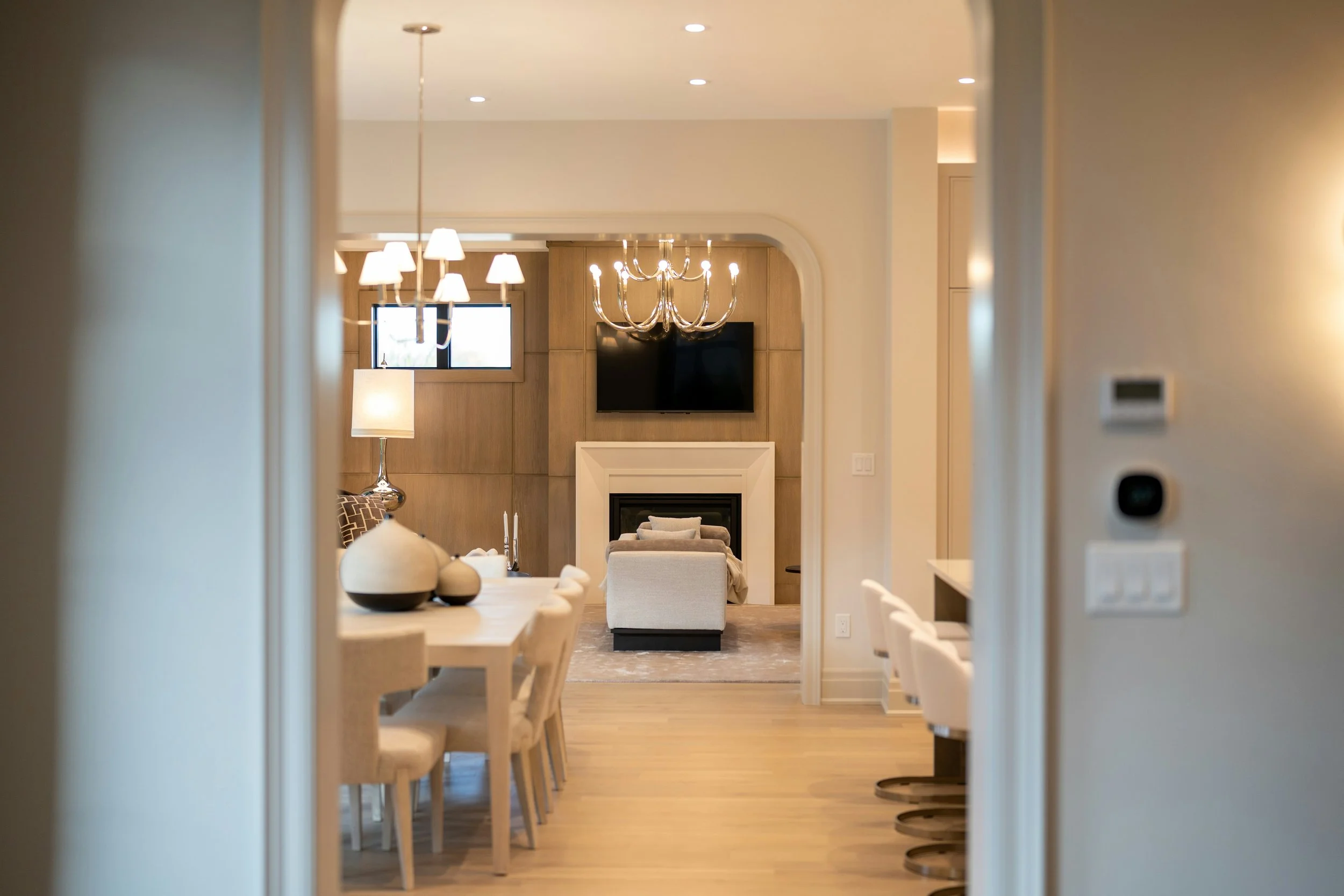
2-Way Switching: One Location Controls the Light
In the United States, what is commonly called a 2-way or single-pole switch is the simplest arrangement. One switch controls one light or group of lights from a single location. This works perfectly when there is only one logical location from which the lights need to be controlled, for instance, at the entrance of a bathroom that has no other exits.
3-Way Switching: Two Locations Control the Same Lights
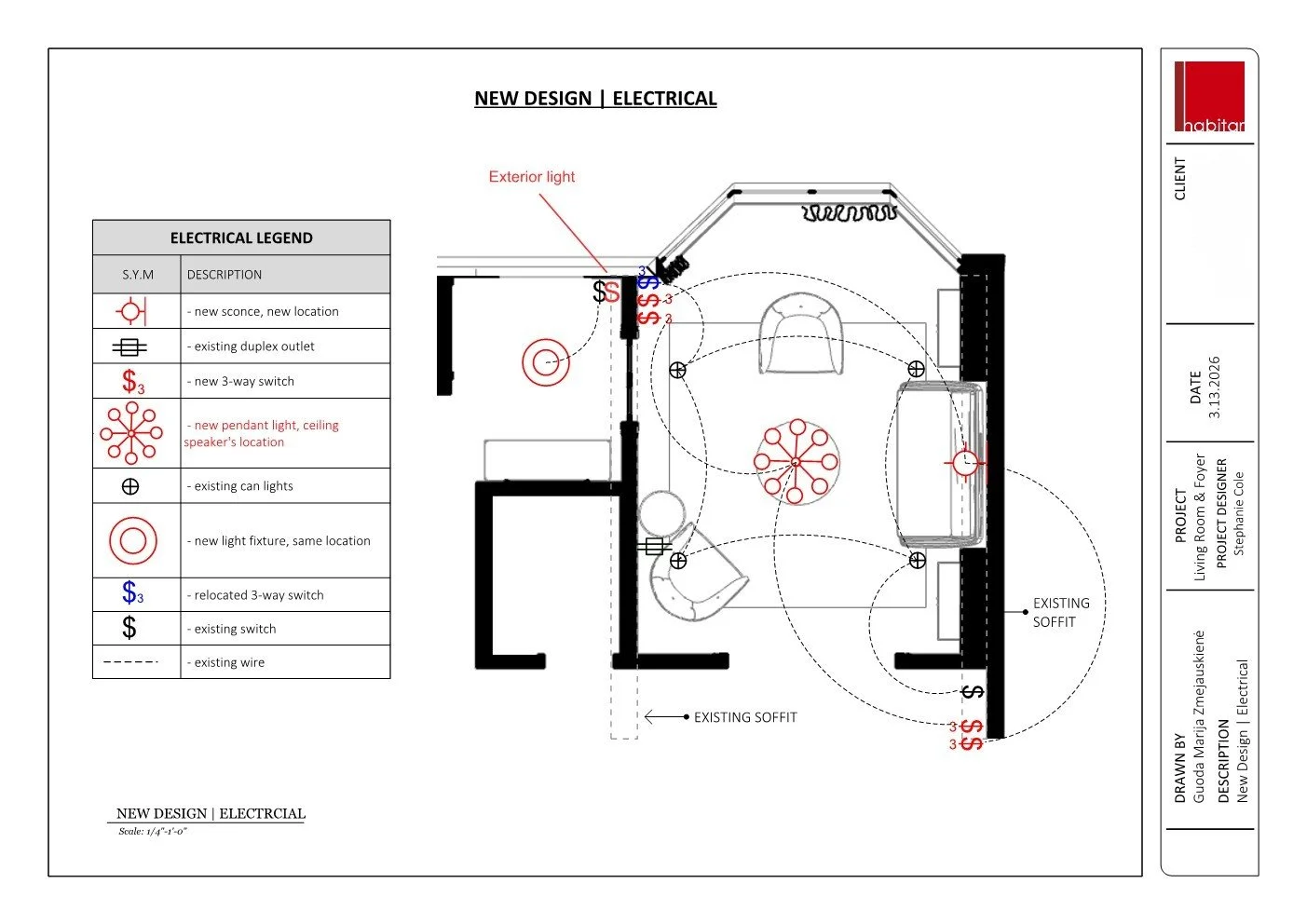
A 3-way switching arrangement allows the same light or group of lights to be controlled from two different locations.
Despite its name, a 3-way switch doesn't mean there are three switches. It means that special 3-way switches are used to create a circuit in which either of two switches can turn the lights on or off.
A classic example is a staircase. A switch at the bottom can turn the light on before climbing the stairs and the one at the top can turn it off after you climbed. When going back down, you can do the opposite. You never have to navigate a dark stairway to turn off a switch.
A 3-way switch is necessary whenever it's possible for dwellers to enter from one side of a space and leave through the other or turn off the light from the other side of the room, for instance, from the bed.
Common applications include:
• Both ends of hallways
• Rooms with two entrances
• Bedrooms, with one switch at the entrance and another near the bed
• Large living and family rooms
• Garages with entrances from both the house and exterior
For designers, 3-way switching is particularly important because it should follow the way people naturally move through a space.
If a room has multiple lights, for instance, can lights and a chandelier, it's possible to have each on a 3-way. To avoid clients having to walk through dark rooms, it's only necessary to have one.
4-Way Switching: Three or More Locations Control the Same Lights
A 4-way switch is used when you want to control the same light or group of lights from three or more locations. They are necessary when rooms are connected to several adjacent spaces. They allow lights to be turned on or off no matter where you enter or leave from. This can be true in a number of different circumstances:
Large kitchens or living rooms with three or more entrances
Long hallways
Finished basements
Think About How People Move through the Home
The important issue for an interior designer to consider is where the client should be able to control the lights as they move through their space. If you can, mentally walk through the space and consider the best locations for the switches. Consider situations like getting into bed and going into a bathroom from a hallway. The light will be on when one goes in, but might not be when coming out. It's also easy to forget that stairways are entrances as well.
Light locations are also dependent on a few other factors like door swings and whether walls can have a switch in them, for example, walls with pocket doors in them or brick walls.
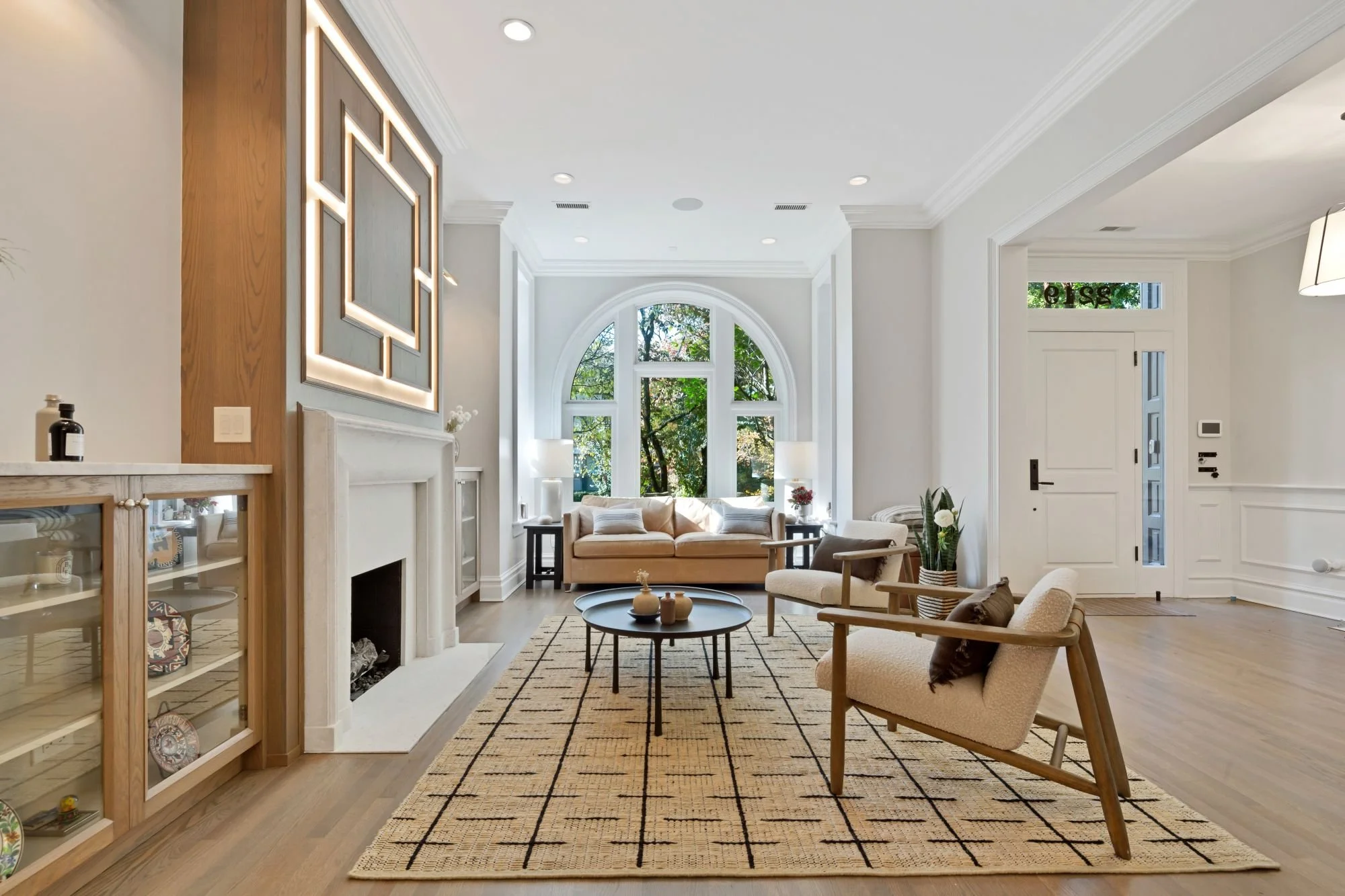
Don’t Forget Dimmers and More Advanced Systems
Dimmers can be one or more sides of a multi-switch system. For maximum convenience, dimmers should be in the switch locations most often used.
Scene control switches allow groups of lights to be simultaneously switched and dimmed. Instead of adjusting five dimmers to get the ambiance right, one can press buttons such as “Dinner,” “Entertain,” “Relax,” or “All Off” to turn the room lights to predetermined levels.
Smart switches and dimmers take it to a higher level. Individual switches communicate wirelessly or through a network. They can set a scene, work on timers, be controlled from wall switches, phones, voice, motion sensors, or other smart-home systems. It's perfect for the tech savvy.
Last but not least, don't forget closet lights on motions detectors and door switches. They reduce cost, reduce switch clutter, and never fail to please.
Great lighting design is built around the beautiful fixtures chosen and the effortless control you planned.
If you have questions, please reach out. We are always interested in assisting and partnering with designers and finding ways to make the design and construction process easier and more seamless for the client.